
How to Build a Successful Team: 8 Practical Tips for Business Leaders


When trying to build a productive team for your business, these tips will set you on the correct path.
This is not an all-inclusive list; however, these are common to every successful team I’ve been part of in over fifty years of working in groups.
When creating or posting ads to fill job openings, focus on PURPOSE – NOT PERKS. You are looking for team members who will forward your goals and be willing to carry on when the going gets rough. You don’t need mercenaries who bail at the first opportunity.
LOOK AT THEIR HANDS. By this I mean, do they have a proven ability to WORK? Traditionally, in labor intensive jobs, you inspected an applicant’s hands for callouses showing “working hands.” Mind you, I’m not saying, do they have experience in the job? I’m asking, CAN THEY WORK? What have they done that required EFFORT to accomplish? You want people who can get things done, not talk about doing things.
TEST THEM. You need to know if the person is a GOOD FIT for the position you want them to fill. Many people are skilled at presenting themselves on paper or in interviews. Your success is dependent on having the RIGHT PEOPLE in the RIGHT PLACE doing the RIGHT JOB.
ESTABLISH THEM. Whether fresh out of school or a transferring veteran, do the things necessary to settle them in the job and get their feet under them. Have them make the space “THEIRS” and see to it they have what they need to function. Help them get on the communication lines and flow lines they’ll need to be successful.
GET OUT OF THE CHAIR AND LOOK. Just because you “filled the position” doesn’t mean it’s now on autopilot. You need to see what roadblocks are being run into. If you’ve done all the other things, you filled the position with a good employee. Good employees will always try to do their best. Your job now is to train them, trust them, and help them get over roadblocks to being successful at their job.
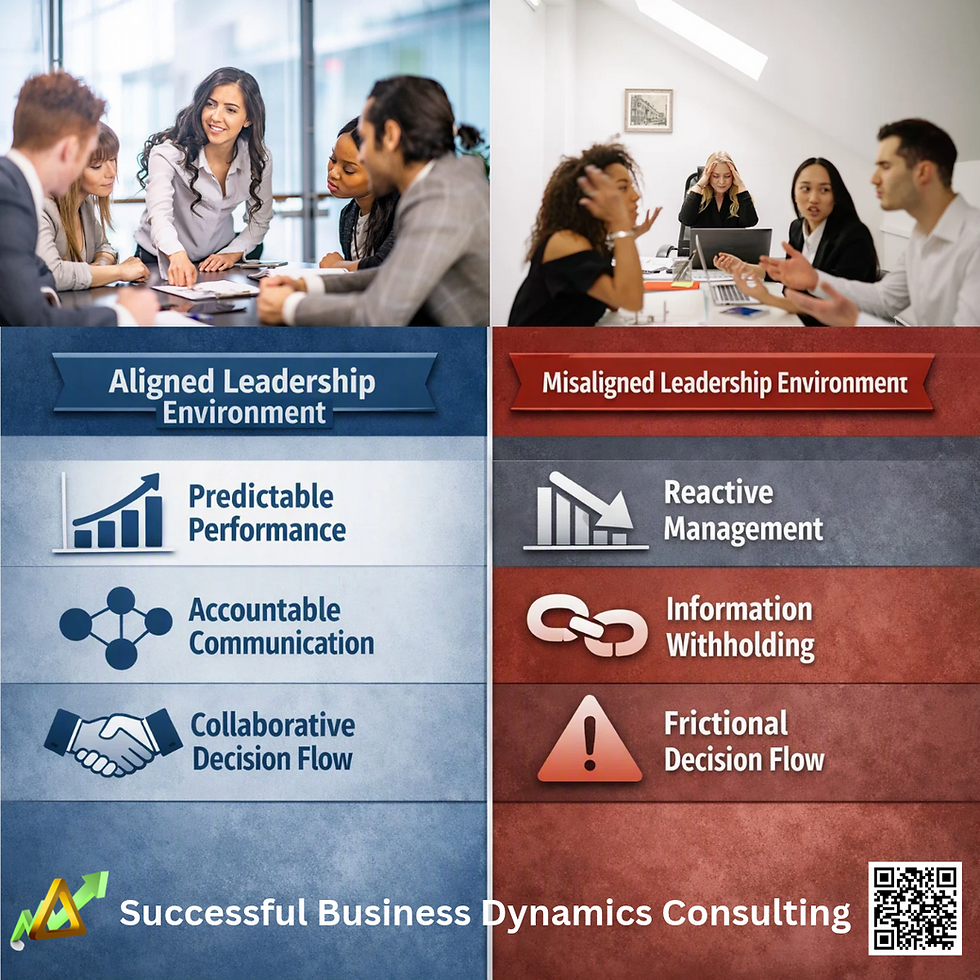
FOCUS ON COORDINATING – NOT BLAMING. Creating effective teams is about communication and coordination. In any group or business, there are many different flow lines, different particles, and different priorities. Often, they run into each other and get in each other’s way. The only way to keep things running smoothly is by predicting potential conflicts in advance and using open communication and coordination to resolve issues before they get out of hand.
CREATE AN UNBIASED SYSTEM OF METRICS TO MONITOR PERFORMANCE. Don’t rely on rumors or hearsay to judge an individual. Give them a STATISTIC that reflects what THEY PRODUCE and make all performance judgments based on that only. This gives them something they can CONTROL and puts them in a causative position over their area of responsibility.
Create a CULTURE OF CARING. This means caring about the individual members, but also caring about the success of the group as a whole. Promote the truth of the matter – that you’re all on the same team and dependent on each other and the group as a whole. Don’t let people think they are not important. Create an atmosphere where each person takes personal ownership of the success of the other members and the overall group.
In this highly self-centered society where we strive for convenience and “look out for No. 1”, effective, high-morale teams are not usual. But they CAN BE if one follows these guidelines.
FAQ: How to Build a Successful Team
Q: What makes a team successful?
A: A successful team has clear goals, defined roles, and consistent communication. It also has trust, accountability, and a leader who coordinates priorities and removes roadblocks.
Q: How do I hire the right people for my team?
A: Use a structured hiring process that tests for work ethic, fit, and capability—not just interview performance. Define the outcomes of the role, then evaluate candidates against those outcomes.
Q: What are the most common mistakes when building a team?
A: The biggest mistakes are hiring without a structured process and leaving roles unclear. Leaders also avoid performance conversations and promote people without assessing leadership readiness.
Q: How can I improve team performance quickly?
A: Improve performance fastest by focusing on a few priorities and tracking them weekly. Assign clear owners, use a simple scorecard, and remove the biggest bottleneck in your workflow.
Q: How do you create accountability without micromanaging?
A: Accountability comes from agreed outcomes, deadlines, and visible metrics. Review progress on a predictable cadence and coach early so the system—not reminders—drives follow-through.


Comments